

E. coli Antibody Products
Equipped with state-of-the-art facilities and experienced immunology experts, Creative Biolabs is dedicated to providing a series of E. coli antibody products to facilitate your project success.
Background
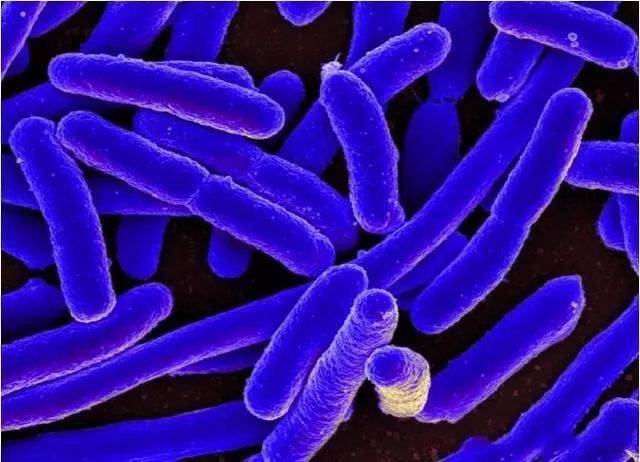
Escherichia coli (E. coli) is a gram-negative, facultative anaerobic, rod-shaped coliform, and usually can be found in the small intestine of warm-blooded organisms (endothermic).
E. coli has been a key model organism and plays important roles in many fields. E. coli genome is relatively small and much simpler (4.5 to 5.5 Mbp) comparing with human genome (nearly 3 billion bp). Modern technologies make it particularly suitable for studying E. coli and other bacterial cells, such as super resolution and Andor’s SRRF-Stream which have been applied to recent research to increase the resolution to 50-150 nm.
Advantages of using E. coli as a Model Organism
- Short generation time compared to other higher organisms.
- E. coli can reproduce and grow very rapidly, doubling the population about every 20 minutes. It could be helpful to experiment which waiting for subsequent generations are considered the rate-limiting step.
- E. coli can survive in variable growth conditions. Culture media containing simple and inexpensive ingredients and nutrients that can successfully stimulate E. coli growth and division.
- E. coli is a single-celled organism. Unlike models of multicellular organisms like mice or chimps, there are no ethical issues with growing, manipulating, and killing bacterial cells.
Research area of E. coli as model organism
- For the Biology Study
- For biotechnological applications
- For plasmid and reporter constructs
As the most extensively studied microorganism, E. coli has been a model organism for the study of bacterial metabolism, the cell division process, cell wall biosynthesis, chemotaxis, bacterial genetics, and the physiological role of enteric bacteria as part of the normal fecal flora. Analysis of the E. coli K-12 genome sequence showed that about 2% of its DNA consists of mobile genetic elements, including phages, plasmids, and transposons.
Advance in using E. coli for biotechnological applications based on various available technologies have led to the development of strains capable of synthesizing a variety of novel compounds. E. coli is a flexible platform that can be used for the efficient production of molecules for the pharmaceutical industry, metabolites and molecules related food additives, pigments, and complex aliphatic molecules. Studies showed that many aromatic compounds have been successfully achieved in E. coli based on their biological activities (vitamins and antioxidants, for example), pigmentation (applied in different industrial processes), and fragrance, etc.
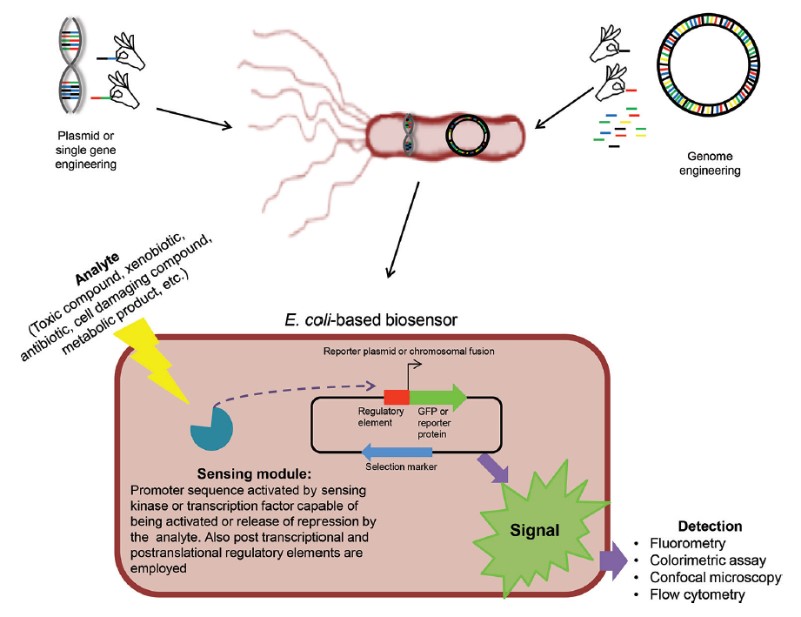 Fig.1 Basic principles for biosensor design.
In addition, E. coli plasticity and tools such as BioBrick building (using standardized DNA fragments with compatible ends for fast assembly) can accelerate plasmid and reporter constructs. Several reports showed that E. coli-based biosensors have successfully detected different traits: oxidant, DNA damaging compounds, membrane-damaging compounds, protein-damaging compounds, aromatic compounds, xenobiotics, antibiotic panels using reporter strains without antibiotic selection, etc. Biosensors based on whole cells are a cheap alternative and can be coupled to portable devices. Using qualitative reporters can be applied in many fields research.
Scientists at Creative Biolabs’ are dedicated to bringing together years of valuable experience to help our clients shorten the research journey. We are committed to the E. coli antibody products and services, and dedicated to reducing the overall project development timeline for our clients.
Our provided hot target antibody products include the followings, but not limited to:
Target Selection
Reference
- Vargas-M N, Franco B. Escherichia coli as a Model Organism and Its Application in Biotechnology. Recent Advances on Physiology, Pathogenesis and Biotechnological Applications. 2017.
To download a Certificate of Analysis, please enter a lot number in the search box below. Note: Certificate of Analysis not available for kit components.
Lot Number